Nuts are a popular snack and ingredient in many dishes, and two types of nuts that often get compared are hickory nuts and pecans. While both hickory nuts and pecans are similar in many ways, there are some notable differences between the two.
This article will explore the similarities and differences between hickory nuts and pecans, including their nutritional content, taste and texture, culinary uses, availability and cost, environmental impact, nut allergies, storage and shelf life, and recipes.
Comparison of Hickory Nuts vs Pecans
Nutritional Information
When it comes to nutrition, hickory nuts, and pecans are both rich sources of vitamins, minerals, and healthy fats. However, there are some differences in their nutritional profiles. For example, hickory nuts are higher in calories than pecans, with 100 grams of hickory nuts containing 691 calories compared to 691 calories in 100 grams of pecans.
Hickory nuts are also higher in protein, with 100 grams containing 9.17 grams of protein compared to 100 grams of pecans containing 3.93 grams of protein. In terms of fat content, both hickory nuts and pecans are high in healthy monounsaturated and polyunsaturated fats, but hickory nuts are slightly higher in saturated fat.
Both nuts are also good sources of fiber, with 100 grams of hickory nuts containing 6.7 grams of fiber and 100 grams of pecans containing 9.6 grams of fiber. Overall, both hickory nuts and pecans are nutritious choices, but pecans are slightly lower in calories and higher in fiber than hickory nuts.
Taste and Texture
In terms of taste and texture, hickory nuts and pecans have some similarities and differences. Both nuts have a rich, nutty flavor that is often described as buttery or slightly sweet. However, hickory nuts have a more pronounced smoky flavor, which can be either a pro or a con depending on personal taste. In terms of texture, hickory nuts are harder and more difficult to crack than pecans, which have a softer shell.
Once the shell is cracked, hickory nuts have a firm, crunchy texture, while pecans have a softer, creamier texture. The texture of hickory nuts can also vary depending on the variety, with some types having a more fibrous texture than others. Overall, both hickory nuts and pecans are tasty nuts with unique flavor and texture profiles.
Culinary Uses
Hickory nuts and pecans are both versatile nuts that can be used in a variety of dishes. For example, both nuts can be used in baked goods like cookies, cakes, and pies, as well as in savory dishes like salads, soups, and stews. Hickory nuts are particularly popular in Southern cuisine, where they are often used in recipes like hickory nut pie, hickory nut bread, and hickory nut soup.
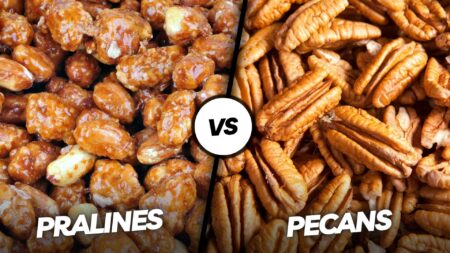
Pecans, on the other hand, are more commonly used in sweet dishes like pecan pie, pecan pralines, and pecan butter. Both nuts can also be used in nut butter, which is a healthy alternative to peanut butter. In terms of flavor pairing, hickory nuts pair well with sweet and savory flavors, while pecans are more commonly paired with sweet flavors.
Availability and Cost
When it comes to availability and cost, hickory nuts and pecans have some differences. Hickory nuts are less common and less widely available than pecans, particularly outside of the Southern United States. Hickory trees grow primarily in the Eastern United States, and the nuts are only in season for a short time in the fall.
Pecans, on the other hand, are more widely available year-round and are grown in many parts of the world including the United States, Mexico, and Australia. However, pecans can be more expensive than hickory nuts, especially if they are organic or specialty varieties. This is due to the high demand for pecans in the global market, as well as the labor-intensive process of harvesting and processing the nuts.
Environmental Impact
Hickory nuts and pecans both have an environmental impact, but there are some differences in the sustainability of the two crops. Hickory trees are native to the Eastern United States and are often found growing in forests and woodlands. As such, hickory nut production has a relatively low environmental impact, as the trees grow naturally without the need for large-scale farming practices.
Pecans, on the other hand, are often grown on monoculture plantations, which can have a negative impact on soil health and biodiversity. Additionally, pecan production requires a lot of water, which can strain water resources in areas with limited rainfall.
Nut Allergies
As with all nuts, hickory nuts, and pecans can cause allergic reactions in some individuals. Nut allergies are one of the most common food allergies, affecting approximately 1% of the population. Symptoms of a nut allergy can range from mild to severe and can include hives, swelling, difficulty breathing, and anaphylaxis.
While hickory nut allergies are relatively rare, pecan allergies are more common. This may be due to the fact that pecans are more widely consumed and more commonly used in food products than hickory nuts. Individuals with a nut allergy should always read food labels carefully and avoid any products that contain hickory nuts or pecans.
Storage and Shelf Life
Both hickory nuts and pecans should be stored properly to maintain their freshness and flavor. Nuts can become rancid over time, especially if they are exposed to light, heat, or air.
To store hickory nuts and pecans, it is best to keep them in an airtight container in a cool, dark place like a pantry or refrigerator. Stored properly, hickory nuts and pecans can last for several months to a year. It is also possible to freeze nuts to extend their shelf life, although this can affect the texture of the nuts.
Recipes
There are many delicious recipes that feature hickory nuts and pecans as key ingredients. Here are a few ideas to get you started:
- Hickory Nut Pie: A Southern classic, hickory nut pie is a rich, nutty dessert that is perfect for fall.
- Pecan Pralines: These sweet, buttery candies are a staple in Louisiana cuisine, and are made with pecans, sugar, and cream.
- Hickory Nut Butter: This creamy, nutty spread is a healthy alternative to peanut butter, and can be used in sandwiches, smoothies, and more.
- Pecan-Crusted Chicken: This savory dish features chicken breasts coated in a crunchy pecan crust, and is perfect for a weeknight dinner.
- Hickory Nut Soup: This hearty soup is made with hickory nuts, vegetables, and cream, and is a comforting and flavorful meal.
Conclusion
In conclusion, hickory nuts and pecans are both delicious and nutritious nuts that have their own unique characteristics. While hickory nuts are higher in calories and protein, pecans are lower in calories and higher in fiber. Both nuts have a rich, nutty flavor and are versatile ingredients that can be used in a variety of dishes. When it comes to cost and availability, pecans are more widely available year-round but can be more expensive than hickory nuts.
In terms of sustainability, hickory nut production has a lower environmental impact than pecan production, as hickory trees grow naturally without the need for large-scale farming practices. However, both nuts should be stored properly to maintain their freshness and flavor, and individuals with nut allergies should always read food labels carefully.
Whether you prefer hickory nuts or pecans, there are plenty of ways to incorporate these delicious nuts into your diet. From sweet desserts to savory main dishes, hickory nuts, and pecans can add a unique flavor and texture to any recipe. So why not try experimenting with these nutritious nuts and see what culinary creations you can come up with?