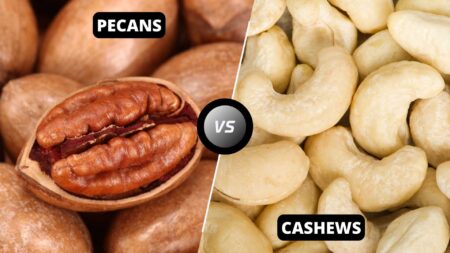
Nuts have been a popular food for centuries and have been associated with numerous health benefits. However, with so many varieties of nuts available, it can be challenging to choose the right one for your dietary needs.
Pecans and almonds are two of the most commonly consumed nuts, each with its own unique nutritional profile, flavor, and culinary uses. In this article, we will compare pecans vs almonds and help you decide which one is the right choice for you.
Comparison of Pecans vs Almonds
Nutrition Profile
Nutritionally, both pecans and almonds are high in healthy fats and protein, making them a good source of sustained energy. Pecans are rich in monounsaturated and polyunsaturated fats, while almonds are high in monounsaturated fats. Both nuts are low in carbs, making them suitable for low-carb and keto diets.
Pecans are a good source of several essential minerals, including copper, manganese, and zinc. They are also rich in vitamin E, a potent antioxidant that helps protect against cellular damage. Almonds, on the other hand, are a good source of magnesium, phosphorus, and calcium. They also contain vitamin B2 (riboflavin) and vitamin B3 (niacin), both of which are important for energy production.
One thing to keep in mind is that both pecans and almonds are high in calories. A single serving (28 grams or one ounce) of pecans contains about 200 calories, while the same amount of almonds contains about 160 calories.
Health Benefits
Studies have linked nut consumption with a lower risk of chronic diseases, including heart disease, diabetes, and certain types of cancer. Both pecans and almonds have been associated with several health benefits.
Pecans have been shown to help lower LDL (bad) cholesterol levels and improve insulin sensitivity, making them beneficial for people with type 2 diabetes. They also contain ellagic acid, a natural compound that has been linked to a lower risk of certain cancers.
Almonds have been associated with several health benefits, including lower blood sugar levels and reduced inflammation. They also contain phytosterols, which help lower LDL cholesterol levels, making them heart-healthy. Some studies have also suggested that almonds may help with weight loss and weight management.
Flavor Profile
Pecans have a rich, buttery flavor with a slightly sweet undertone. They have a softer texture than almonds, which makes them a popular choice for desserts and baked goods. Pecans are often used in pies, tarts, and other desserts, but they can also be used in savory dishes like salads and roasted vegetables.
Almonds have a mild, slightly sweet flavor with a slightly crunchy texture. They are versatile nuts and can be used in a variety of sweet and savory dishes. Almonds are often used in almond milk, almond butter, and other nut-based products.
Availability and Cost
Both pecans and almonds are widely available in grocery stores and online. However, pecans are native to North America, so they may be more expensive in other parts of the world. Almonds are grown in several countries, including the United States, Spain, and Australia, so they are generally more widely available and less expensive than pecans.
Seasonal availability may also be a factor when choosing between pecans and almonds. Pecans are typically harvested in the fall, while almonds are harvested in late summer. If you are looking for fresh nuts, it may be easier to find fresh almonds in the summer and fresh pecans in the fall.
When it comes to cost, both pecans and almonds can vary in price depending on several factors, including the season, the source, and the packaging. In general, almonds are less expensive than pecans, especially if you buy them in bulk. However, the cost of both nuts may vary depending on your location and the availability of locally grown nuts.
Sustainability and Environmental Impact
Nuts, like many crops, can have a significant environmental impact, particularly when it comes to water use and land management. Both pecans and almonds require large amounts of water to grow, and their cultivation can lead to soil erosion and habitat destruction.
However, some pecan and almond farms are taking steps to reduce their environmental impact. For example, some farmers are using sustainable irrigation practices and soil conservation techniques to minimize water use and soil erosion. Other farmers are adopting regenerative farming practices that help restore soil health and biodiversity.
When buying nuts, look for labels that indicate sustainable farming practices, such as USDA Organic, Rainforest Alliance, or Fair Trade Certified. These labels can help you make more informed choices about the environmental impact of the nuts you buy.
Allergies and Side Effects
Both pecans and almonds can cause allergic reactions in some people. Nut allergies are among the most common food allergies and can range from mild to severe. Symptoms of a nut allergy can include hives, itching, swelling, and difficulty breathing.
If you have a nut allergy, it is important to avoid nuts and nut-based products. If you are not sure whether you have a nut allergy, talk to your doctor or allergist about getting tested.
In addition to allergies, nuts can also cause side effects in some people, particularly if consumed in large amounts. Eating too many nuts can lead to digestive issues like bloating, gas, and diarrhea. Nuts are also high in oxalates, which can contribute to kidney stones in some people.
Cooking and Storage
Both pecans and almonds are versatile nuts that can be used in a variety of dishes. Pecans are often used in baking and desserts, while almonds are popular in almond milk, almond butter, and other nut-based products.
When it comes to storage, it is best to store nuts in a cool, dry place, away from direct sunlight. Nuts can go rancid over time, so it is important to use them within their expiration date. You can also store nuts in the refrigerator or freezer to extend their shelf life.
Which Nut Is Better?
When it comes to choosing between pecans and almonds, there is no clear winner. Both nuts are high in healthy fats, protein, and essential nutrients. Pecans are rich in vitamin E and minerals like copper and zinc, while almonds are high in magnesium, calcium, and vitamin B2.
The choice between pecans and almonds may come down to personal taste and culinary preferences. Pecans have a buttery flavor that is well-suited to desserts and baked goods, while almonds have a mild flavor that is versatile and can be used in a variety of dishes.
Conclusion
Pecans and almonds are two of the most popular nuts, each with its own unique nutritional profile, flavor, and culinary uses. When choosing between pecans vs almonds, it is important to consider factors like nutrition, flavor, availability, cost, sustainability, and allergies. Ultimately, the choice between pecans and almonds may come down to personal taste and dietary preferences.